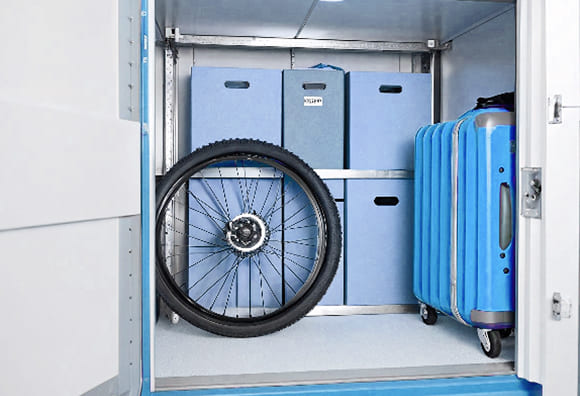


In an increasingly urbanized world, where living spaces are often at a premium, self-storage facilities have become indispensable resources for individuals and businesses alike. Whether you’re decluttering, relocating, or managing inventory, a well-utilized self-storage unit can be a game-changer. However, merely renting a unit isn’t enough; the true value lies in how efficiently you manage and maximize that space.
Maximizing Your Self-Storage Space: Tips for Getting the Most Value
Reading time
10 min
Date of publication
08 July 2025


This comprehensive guide will delve into practical strategies, clever packing techniques, and smart organizational tips to ensure you get the absolute most out of your storage Dubai unit, transforming it from a simple holding area into a highly efficient extension of your home or business.
📦 What is Self-Storage? A Core Definition
Self-storage is a service that provides individuals and businesses with rentable storage units, typically on a monthly basis. These units vary in size and can accommodate a wide range of items, from personal belongings and household furniture to business inventory and documents.
The term «self-storage» emphasizes that the tenant is responsible for packing, transporting, and organizing their items within the unit, and they retain sole access to their designated space. This differs from traditional warehousing, where a storage warehouse might involve the facility managing the inventory and logistics. For businesses, this often falls under commercial management of a commercial facility.
📋 Before You Pack: Strategic Planning for Optimal Space Utilization
The journey to maximizing your self-storage space begins long before the first box is taped. Strategic planning is crucial. Start by decluttering ruthlessly. Before anything enters your storage box, critically assess every item. Ask yourself if you’ve used it recently, if it holds significant sentimental value, if it can be easily replaced, or if it’s broken. This is the most impactful step in reducing the volume of items you need to store.
Next, inventory everything. Create a detailed list of everything you intend to store. This can be a simple handwritten list, a spreadsheet, or a dedicated app. Assign each box a number and list its contents. This not only aids in finding items later but also helps visualize the volume of your belongings and aids in selecting the right storage unit size. For storage unit for business, this is critical for inventory management.
Once you have your inventory, choose the right unit size. This is paramount for cost-effectiveness. Don’t guess. Use your inventory to estimate the required space. Many storage facilities services offer online size guides or have on-site staff who can help you determine the optimal unit size. It’s better to have a slightly snug fit than a cavernous, underutilized space.
Finally, understand your access needs. Consider how frequently you’ll need to access your items. If you’ll be retrieving items regularly, strategically place frequently needed boxes near the front of the unit. If it’s reserve storage unit for long-term items, you can pack more densely. This is a key consideration for personal storage unit versus storage unit for business where frequent access to inventory might be necessary.
🧳 Packing Strategies: Mastering the Art of Density and Protection
Efficient packing is the cornerstone of maximizing your self-storage space. Think vertically and protect fragile items. Begin by investing in quality packing supplies. Use sturdy, uniform-sized boxes whenever possible as they allow for stable stacking and maximize vertical space; avoid flimsy or mismatched boxes. Essential items also include bubble wrap and packing paper for protecting fragile items, and stretch wrap or moving blankets for furniture protection against dust, scratches, and moisture. Don’t forget clear labels and markers to clearly mark every box on multiple sides with its contents and the room it belongs to (e.g., «Kitchen — Pots & Pans,» «Bedroom — Linens»).
When packing, pack smart, not just tight. Fill boxes completely, but don’t make them overly heavy. Partially filled boxes can collapse when stacked, so use packing paper, towels, or soft linens to fill gaps. Distribute weight evenly by placing heavier items at the bottom of boxes and lighter items on top. Disassemble furniture such as beds, tables, and shelves. Keep all nuts, bolts, and screws in clearly labeled bags taped to the corresponding furniture piece. This is a critical step for efficient storage of personal belongings and larger storage unit for personal items. Ensure all appliances (refrigerators, washing machines) are clean, dry, and drained to prevent mold and mildew, and leave appliance doors slightly ajar to allow for air circulation.
The most crucial tip is to utilize vertical space. Think of your unit as a tall building. Stack boxes from floor to ceiling, placing the heaviest boxes at the bottom. For frequently accessed items or smaller, delicate boxes, consider using freestanding shelving units. These create multiple levels of accessible storage within your unit. Wardrobe boxes are also excellent as they allow you to hang clothes, preventing wrinkles and maximizing space by eliminating the need for flat-packed clothes boxes.
Finally, protect your fragile items. Wrap each fragile item (dishes, glassware, ceramics) individually in bubble wrap or packing paper. Add a layer of crumpled paper or bubble wrap to the bottom and top of boxes containing these items, and clearly mark «FRAGILE» on all sides of such boxes.
🤝 Beyond the Unit: Leveraging Facilities and Services
Many storage facilities offer more than just a space. Understanding and utilizing these additional services can further enhance your storage experience and value. Always inquire about the facility’s security measures, such as 24/7 surveillance, gated access, individual unit alarms, and on-site management. A secure storage facility provides peace of mind.
Also, check the accessibility hours. Some facilities offer 24/7 access, while others have limited hours. Choose a facility that aligns with your anticipated access needs. Many facilities also provide dollies and carts for tenant use, making it easier to transport heavy items from your vehicle to your unit. Some facilities even sell packing supplies on-site, which can be convenient if you run out or need last-minute items.
Finally, while most homeowner’s or renter’s insurance policies offer limited coverage for items in storage units, it’s wise to inquire about the facility’s recommended or required tenant insurance. This provides crucial protection for your storage of personal assets.
🏢 Maximizing Value for Businesses: Commercial Storage Strategies
For businesses, storage units for business is not just about decluttering but about efficient inventory management, document archiving, and cost-effective expansion. Consider using your storage unit as an extension of your warehouse. Implement a robust inventory system (e.g., barcode scanning, digital spreadsheets) to track items in storage unit; this is a core aspect of effective commercial facility management. Businesses utilize storage for several key purposes:
- Document Archiving: Securely storing physical documents that need to be retained for legal or historical purposes, freeing up valuable office space.
- Seasonal Inventory: Storing seasonal stock (e.g., holiday decorations, specific product lines) during off-peak times.
- Equipment Storage: Safely keeping tools, machinery, or trade show equipment when not in use.
Some smaller e-commerce businesses even use storage units as mini-fulfillment centers, especially when starting out.
✅ Your Self-Storage Unit as an Asset
Keeper maximizing self-storage space is an investment in efficiency, cost savings, and peace of mind. By embracing strategic decluttering, meticulous packing, intelligent organization, and leveraging the services offered by your chosen storage Dubai facility, you transform a simple rental unit into a highly valuable asset for your clients. Whether it’s for luggage storage during a temporary move, personal storage services for cherished belongings, or commercial management of business inventory, helping your clients get the most value from their self-storage space is a skill that pays dividends, ensuring their belongings are safe, accessible, and their budget remains intact.
❓ Frequently Asked Questions (FAQ)
Q1: What are the absolute essentials for packing a self-storage unit effectively?
The absolute essentials include sturdy, uniform-sized boxes, ample packing materials like bubble wrap and packing paper, strong packing tape, and clear labels. Investing in these ensures your items are protected and your space is utilized efficiently, allowing for stable stacking and easy identification of contents.
Q2: Is climate-controlled storage units really necessary, or can I save money with a standard unit?
Climate-controlled storage units is highly recommended for sensitive items such as electronics, wooden furniture, artwork, musical instruments, important documents, and photographs. It protects against extreme temperature fluctuations and humidity, which can cause warping, cracking, mildew, and degradation. While a standard unit is cheaper, the potential damage to valuable items could far outweigh the savings.
Q3: How often should I visit my self-storage unit, especially for long-term storage?
For long-term storage, a general recommendation is to visit your unit at least once every few months, or quarterly. This allows you to check for any signs of pests, moisture, or damage to your belongings, ensure security, and refresh any desiccant packets or pest repellents you might be using. Regular checks offer peace of mind and proactive problem-solving.
Read other articles

10 June 2025
The Advantages of Box Self Storage Units in Dubai
Dubai, a city synonymous with innovation and rapid expansion, continuously draws individuals and businesses from across the globe. Within this dynamic urban environment, where every square meter is a premium commodity, efficient space management isn’t merely a convenience; it’s a fundamental necessity.

12 June 2025
Storage Unit Size Guide: What Fits in 10–50 sq ft and How to Choose
Choosing the right storage unit size is essential for both convenience and cost-efficiency. Too small — and you’ll struggle to fit everything. Too large — and you’re paying for empty space. This guide explains how to choose the right unit, what fits in the most common 10, 20, 30, 40, and 50 square feet (sqft) options, and how to pack effectively.
Whether you’re storing seasonal clothes, moving house, or running a small business, this guide will help you make a confident, informed decision.

16 June 2025
Self-Storage Security: How Your Items Stay Safe at Keeper
In an era where people move more frequently, run businesses from home, and accumulate both personal and commercial assets, self-storage has become a necessity. But no matter what you store — furniture, documents, electronics, or inventory — one question always remains top of mind: is it safe?
At Keeper, we understand that storage is not just about space — it’s about trust, protection, and peace of mind. This guide provides a deep dive into the security infrastructure, monitoring systems, protocols, and safety standards we use to keep your belongings protected 24/7.
22 June 2025
How to Pack and Organize a Storage Unit: Your Ultimate Guide for 2025
Organizing a self storage unit may seem like a straightforward task — until you find yourself unable to locate a crucial document, or worse, discover that valuable items were damaged due to poor packing. Whether you’re moving, decluttering your home, storing business inventory, or safeguarding belongings during an overseas assignment, the way you pack and arrange your storage space directly affects the safety, accessibility, and longevity of everything inside.
This guide walks you through the practical and strategic steps you should take to ensure your storage unit is packed efficiently and remains well-organized over time. The tips apply to both short-term storage needs and long-term arrangements — and are especially relevant in regions like Dubai, where heat, humidity, and frequent relocations make proper storage even more essential.

24 June 2025
Self Storage Unit in Jumeirah Dubai: The Smart Way to Save Space in 2025
Jumeirah is one of Dubai’s most prestigious and scenic districts — a coastal area known for its luxury villas, beachfront resorts, and lifestyle-driven communities. But as homes become more curated and commercial space tightens, the need for secure and flexible self storage unit in Jumeirah has increased dramatically.
Whether you’re a homeowner, expat, digital nomad, or entrepreneur, self storage solutions in Jumeirah offer the ideal way to declutter your space, store valuables safely, and manage seasonal or business-related belongings without compromising your lifestyle.

28 June 2025
Self Storage Units in Downtown Dubai: Ultimate Guide for 2025
Downtown Dubai is the beating heart of the city – a premium location filled with luxury apartments, corporate offices, and high-end retail. However, as residential and commercial spaces become more compact and expensive, the demand for self storage units solutions in Downtown Dubai continues to rise. Whether you’re a resident looking to declutter, a business needing extra inventory space, or an expat in transition, self storage units offer a secure, flexible, and affordable solution.
In this comprehensive guide, we explore everything you need to know about self storage units in Downtown Dubai, from benefits and features to pricing, providers, and how to choose the right unit for your needs.

13 July 2025
Self-Storage Units for Expats in Dubai: Flexible Solutions for Frequent Moves
Dubai, a vibrant hub of opportunity and cultural diversity, draws in countless expatriates from across the globe. While the allure of a tax-free income and a dynamic lifestyle is undeniable, the transient nature of expat life often comes with a unique set of challenges, particularly when it comes to managing personal belongings during frequent moves, short-term assignments, or holiday breaks. This is where a reliable self-storage solution becomes not just a convenience, but an absolute necessity.
At Keeper Self Storage, we understand the specific needs of Dubai’s expat community, offering flexible, secure, and accessible options to make your transitions smoother and your life in the city more streamlined.

10 August 2025
Factors to Keep in Mind When Choosing a Long-Term Storage Unit for Rent
Securing a long-term storage unit is not simply about finding a vacant space. In Dubai’s environment — marked by extreme summer heat, sudden humidity spikes, and airborne dust — the choice of facility can determine whether your belongings stay in pristine condition or suffer irreversible damage. If you are searching in or near 49, Industrial Area, Al Quoz 4, the following factors will help you select a unit that offers both protection and convenience over months or even years.
17 August 2025
Advantages of Utilizing Climate-Controlled Self-Storage Facilities in Dubai
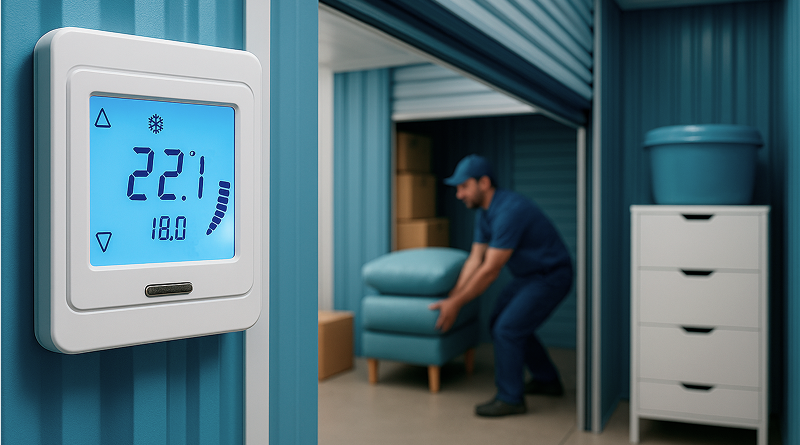
When it comes to protecting your valuables in a city like Dubai, where summer temperatures can exceed 45°C and humidity fluctuates throughout the year, choosing the right storage solution is critical. Climate-controlled self-storage facilities in Al Quoz 4, Industrial Area offer a highly effective way to preserve the condition of sensitive items, ensuring they remain safe regardless of the extreme outdoor environment. This type of storage is not just a convenience — in Dubai’s climate, it’s often a necessity, especially for businesses and residents around 49, Industrial Area, Al Quoz 4.
24 September 2025
6 Must-Have Items for a Perfectly Organized Storage Unit
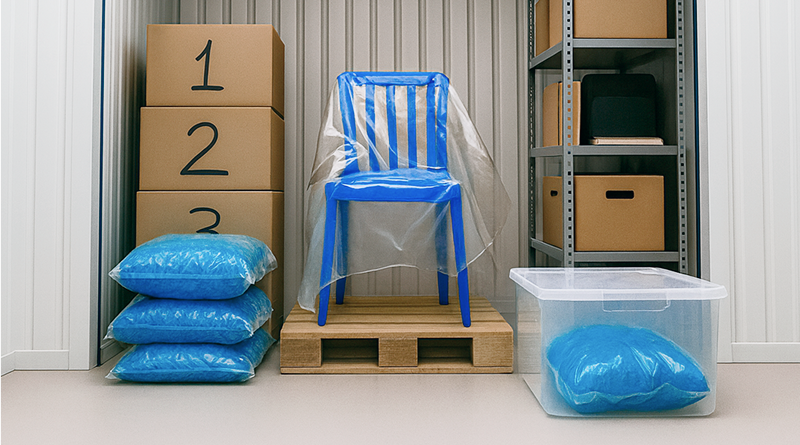
Congratulations! You’ve secured a self-storage unit, the modern-day solution for decluttering your home, navigating a life transition, or simply creating some much-needed breathing room. But before you start haphazardly tossing boxes into that pristine, empty space, pause for a moment. The difference between a storage unit that becomes a black hole of forgotten belongings and one that is an organized, accessible extension of your home lies in your preparation. It’s not just about what you store, but how you store it.
Forget the generic advice. Let’s dive into the top six essential items that will transform your storage experience from a chore into a masterclass in efficiency.

24 September 2025
Beyond the Backroom: Curated Storage Solutions for Dubai’s Fashion Visionaries
In the heart of Dubai, where fashion is as much about spectacle as it is about style, boutique owners face a unique challenge. The relentless cycle of collections, the delicate nature of luxury fabrics, and the sheer volume of inventory required to impress a discerning clientele quickly overwhelm standard storage units. The cramped backroom, with its threat of humidity, dust, and disorganization, is the silent enemy of a thriving fashion business. The solution? A new class of exclusive mini-warehouses, meticulously designed to be a seamless, climate-controlled extension of the boutique itself.
For the modern fashion curator, these are not mere storage units; they are strategic assets. Here’s why moving to a specialized storage solution is the next smart step for a Dubai boutique.
16 October 2025
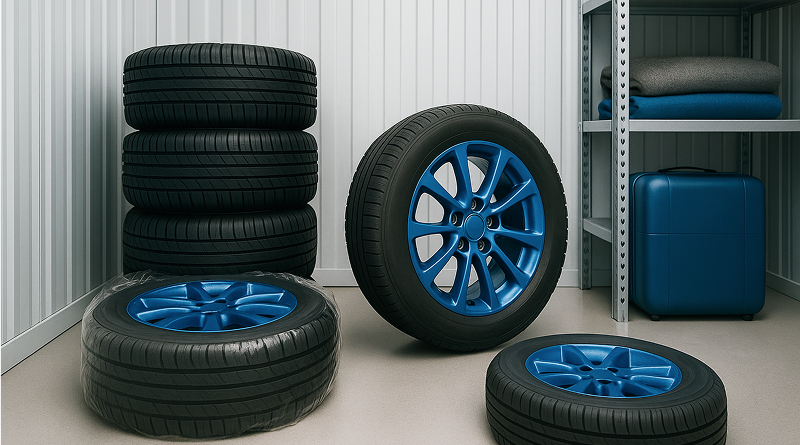
Beyond the Road: A Pro Guide to Storing Your Tires in a Self-Storage Unit
Your tires are the unsung heroes of your vehicle. 🦸♂️ They grip the road in the rain, carry you on summer adventures, and bear the brunt of daily commutes. But when the seasons change or you need to swap out your set, the question arises: what’s the best way to store these crucial pieces of equipment?
The garage floor or a dusty backyard corner just won’t do. ❌ Improper storage can lead to dry rot, cracking, and flat spots—compromising your safety and wasting your investment. 💸
Enter the modern solution: the self-storage unit. 🎯 It’s the perfect controlled environment to give your tires the “spa day” they deserve until they’re ready to hit the road again. Here’s your professional guide to doing it right.

16 October 2025
More Than Just a Stack of Chairs: The Art of Storing Furniture in Dubai’s Climate
That dining table that hosted countless family gatherings 🍽️. The comfortable armchair from your downtown apartment. The elegant cabinet you found in the Al Fahidi souk 🏺. In a city as dynamic as Dubai, our furniture often tells the story of our lives here.
But when a move, a renovation, or a simple desire to refresh your space comes up, the challenge arises: how do you protect these pieces from the city’s harsh environment? 🏜️
Entrusting your furniture to a self-storage unit requires more than just finding an empty space; it’s about preservation. With the right approach, your belongings can emerge from storage unit in pristine condition, ready for their next chapter. 📦✨
This is your essential guide to storing furniture in Dubai, specifically designed for the unique climate.

21 November 2025
The Space Between Chapters: Why Temporary Storage is Your Secret Weapon for a Seamless Dubai Life
ife in Dubai is a thrilling, high-speed narrative. It’s a city of constant motion, ambitious projects, and dynamic life changes. 🌆 But between the chapters of this exciting story—the move to a bigger villa, the long-awaited renovation, the year exploring abroad—lies a common, often stressful, challenge: What do you do with your stuff? 🤔
This «in-between» space is often seen as a logistical headache. But what if we told you it’s actually an opportunity? At Keeper, we believe that temporary storage isn’t just about stashing boxes away; it’s the secret weapon for crafting a smoother, more intentional life in the fast lane. 💡

21 November 2025
Renovating in Dubai? Don’t Live in a War Zone
So, you’ve finally got the plans approved, the contractor lined up, and the vision is clear: a stunning, open-plan kitchen, that sleek master bathroom spa, or finally breaking down that wall to create the living space of your dreams. The excitement is real! But then, a sobering thought hits… where will you and your furniture live while your home is turned upside down?
Living through a renovation in Dubai, with its fast-paced energy, can feel like being on a construction site 24/7. The dust, the constant movement of workers, the fragile items in harm’s way—it can quickly turn an exciting project into a stressful nightmare.
But what if it didn’t have to be that way? What if you could protect your investment and your sanity simultaneously? The secret lies in a simple, powerful solution: temporary storage for the duration of your renovation.
15 December 2025
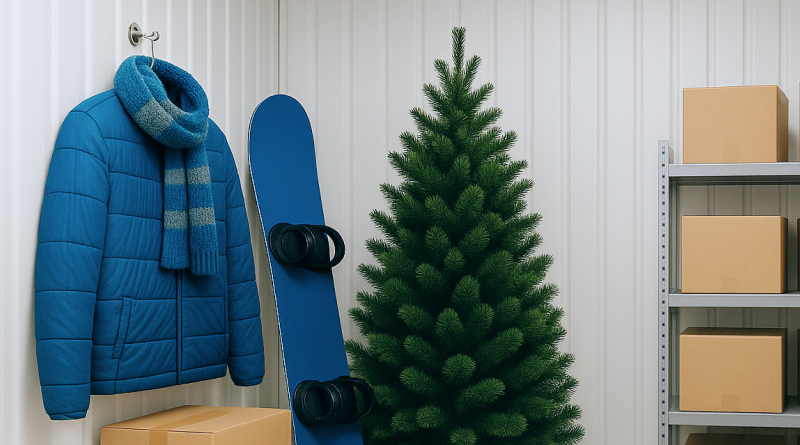
The Seasonal Shuffle: A Smart Guide to Storing Your Off-Season Items
As the seasons change, so does our wardrobe, hobbies, and home décor. That pile of winter coats 🧣, the inflatable pool 🏊♂️, festive decorations 🎄, and camping gear ⛺ slowly migrates from daily use to becoming a space-hogging challenge. Mastering the art of storing seasonal items isn’t just about tidying up—it’s about preserving your belongings, reclaiming your living space, and making next year’s rotation a breeze. Let’s unlock the secrets to a seamless seasonal switch! 🔑

15 December 2025
Beyond the Filing Cabinet: Modern Strategies for Document & Archive Storage
In our digital age, paper persists. From legal deeds and tax records 📑 to client archives, family memorabilia 📖, and business inventories, physical documents remain critical—and bulky. Storing them isn’t just about finding space; it’s about protecting your history, your compliance, and your peace of mind. Let’s explore how to move beyond the chaotic drawer to a future-proof archive system.

28 January 2026
Beyond the Box: Rethinking Storage During Your Dubai Move
Moving homes is often described as one of life’s most stressful events 😫. In the whirlwind of packing tapes, fragile labels, and logistical puzzles 🧩, a critical question arises: what do you do with your belongings in the transitional gap? The answer, for decades, has been storage. But in a dynamic city like Dubai, the concept of storage for a move has evolved far beyond a dusty attic or a friend’s garage. Today, it’s a strategic tool that can transform a chaotic relocation into a seamless, even liberating, experience 🕊️. Let’s explore how modern solutions like self storage units Dubai and warehouse Dubai facilities are redefining the moving journey.

28 January 2026
The Great Summer Hiatus: A Ritual for Your Closet’s Off-Season
As the last golden hour of summer stretches long and the whisper of a cooler breeze finally arrives, our thoughts turn from beach days to cozy evenings. This seasonal pivot brings with it a beloved, often therapeutic, ritual: packing away the vibrant, airy wardrobe of summer 🧺. Yet, what we often treat as a simple act of tidying is, in truth, a delicate art form. Storing summer clothes and shoes is a pact we make with our future selves—a promise that next year, our favorite linen dress or trusty sandals will emerge not just intact, but ready to shine again ✨. Let’s explore how to master this ritual, transforming it from a chore into an act of preservation and intention.

20 February 2026
Storage Tips & Life Hacks
You’ve booked the flights. ✈️ The itinerary is planned. You can almost feel the sun on a faraway beach. ☀️ But as your departure date approaches, a familiar question looms: what on earth do I do with all my stuff? 📦🤔
For residents of a dynamic city like Dubai, this isn’t just a simple question. Between stylish apartments, shifting rental contracts, and the city’s vibrant, transient lifestyle, finding a safe place for your belongings while you escape the summer heat or explore a new country is a genuine concern. You don’t want to come back from paradise to a mountain of dust 😤 or, worse, discover your suitcase was stored in a friend’s already-cramped guest room. 🚫🛋️
The solution is simpler and more accessible than you might think. It’s time to discover the freedom that comes with storage unit in Dubai. 🔑

20 February 2026
Temporary Storage of Goods in Dubai: A Strategic Solution for Modern Businesses
In the fast-paced Dubai business landscape, space is more than just a physical dimension—it’s a strategic asset. 📈 From the sudden influx of seasonal stock to the chaos of an office move, every company faces moments when their current space just doesn’t fit. 🏢➡️📦
The traditional solution—signing a long, expensive lease for a massive facility—often creates more problems than it solves. What you truly need is flexibility. You need a secure, accessible, and scalable solution that adapts to your business rhythm, not the other way around. You need temporary storage unit of goods.


13 August 2026
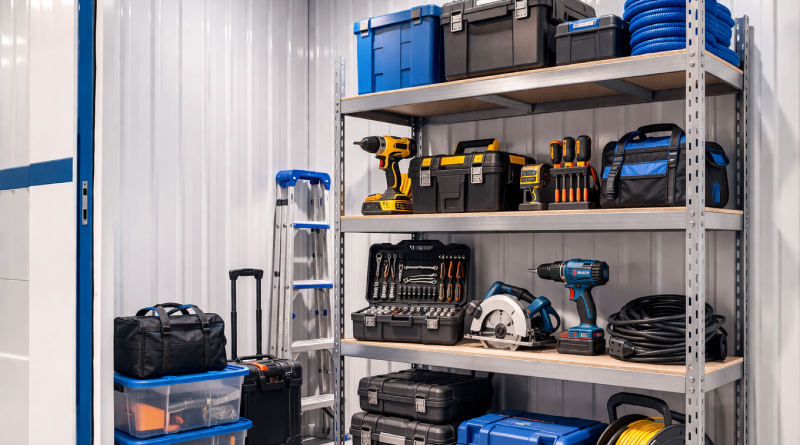
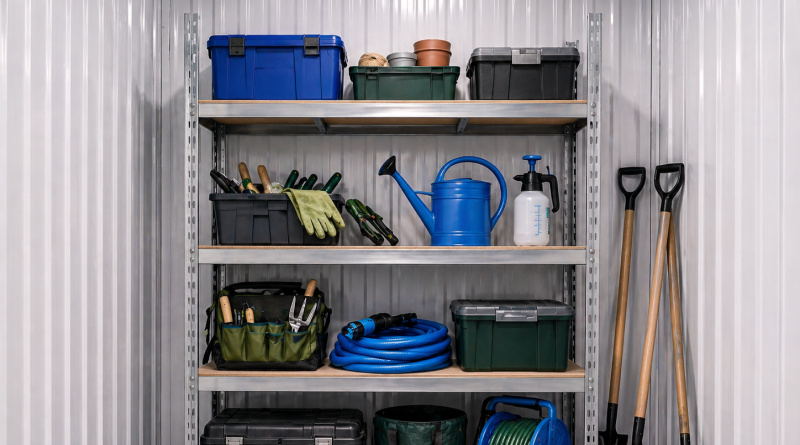
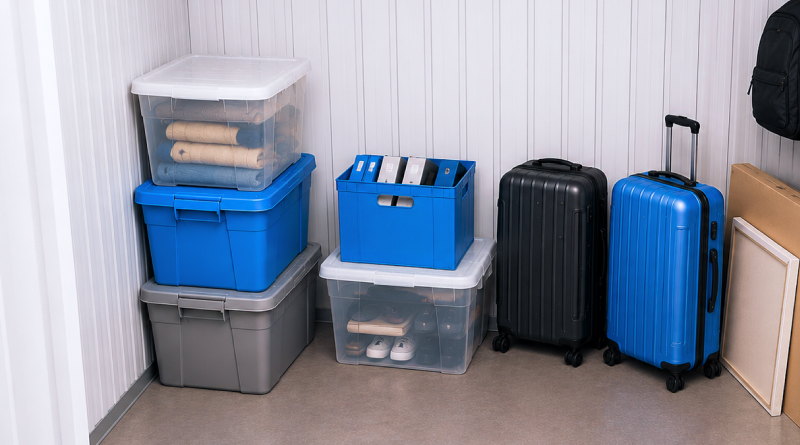
5 best small storage solutions for home and business
When your belongings outstrip your available space, the issue of storage becomes pressing. You can try to squeeze everything into closets and mezzanines, or you can choose a simple and reliable solution: renting a separate storage unit. In Dubai, for example, this is easy to do at Keeper, located in Al Quoz, near Alserkal Avenue.
In this article, we’ll look at several versatile storage options—for home, business, and professional storage services. We’ll also see why renting a storage unit is often more convenient than any home system.
13 August 2026
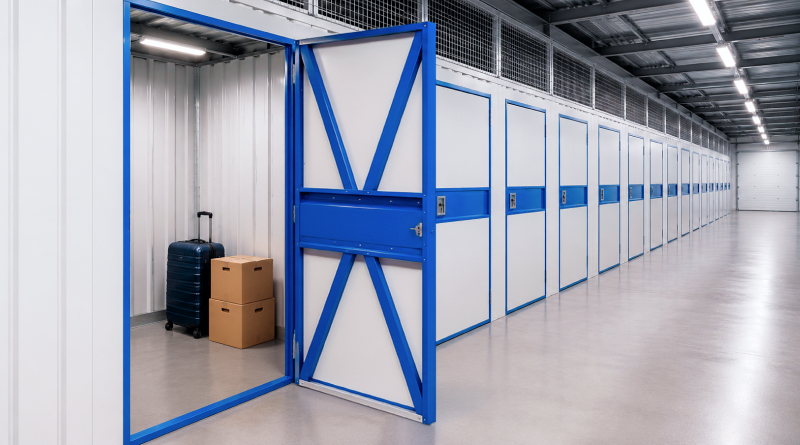
Requirements for renting a storage facility in Dubai
Renting a storage unit in Dubai is a convenient way to free up space in your home or office. But before you sign the contract and move in, it’s important to understand the basic requirements. From safety rules to choosing the right size, this article covers everything you need to know.
This guide will help you prepare for the rental, avoid mistakes, and keep your belongings in perfect condition.
18 September 2026
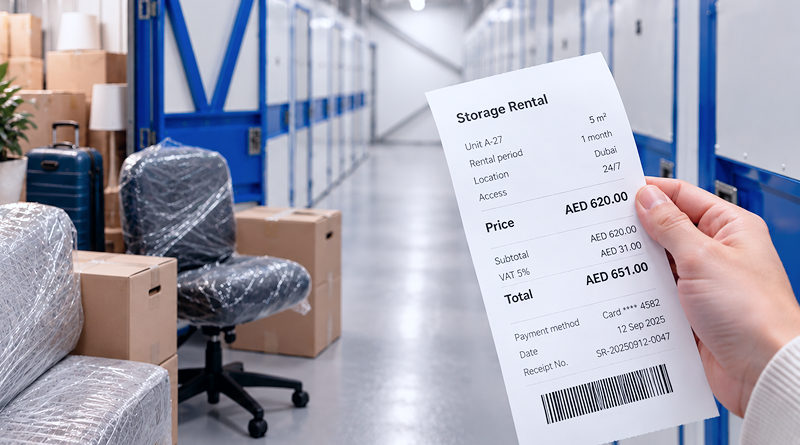
Storage Space Rental Prices in Dubai: How Much Does It Cost?
Moving to a new apartment, renovating, going on an extended business trip, or selling a property—in each of these situations, you need to quickly decide where to put your belongings. Renting a self-storage unit solves this problem without any hassle.
The main question is how much it costs to rent a self-storage unit in Dubai. The cost of renting a storage unit in Dubai depends on many factors: the size of the space, the lease term, the location, and additional services.
In this guide, we’ll cover each cost factor in detail, including storage unit prices in Dubai, and how to save on rent and choose the best option for your belongings.
18 September 2026
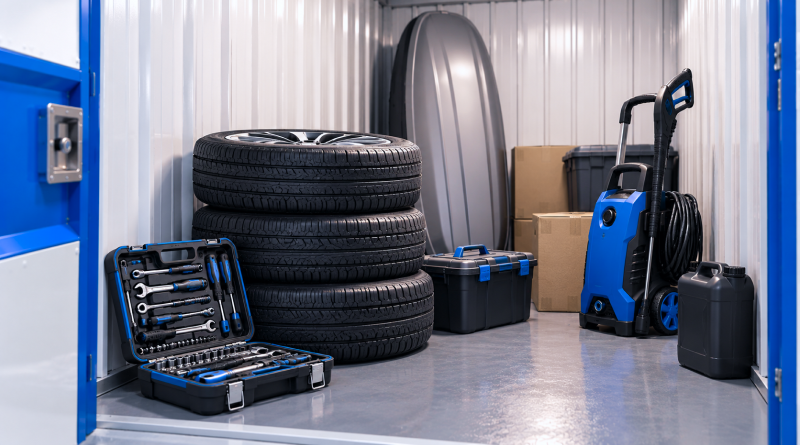
What do car owners keep in storage lockers: from seasonal tires to tools?
A storage locker for a car owner is a rented space in a storage complex where they can store items they don’t need daily in their apartment.
Drivers store winter tires, tools, pressure washers, roof boxes, and spare parts there.