

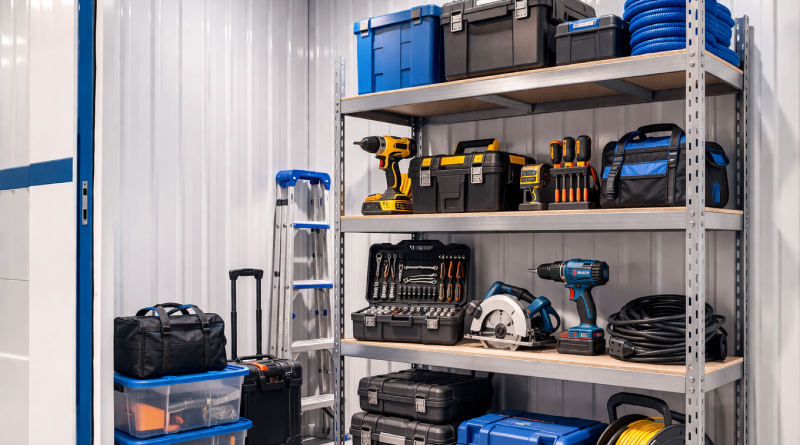
It starts innocently enough. You grab a decent drill for those shelves you’ve been meaning to put up. Then comes a proper set of screwdrivers because, honestly, using a butter knife just isn’t cutting it anymore. Before you know it, there’s a pile of stuff in the corner – power tools you’ve used twice, boxes of random screws that might come in handy someday, and at least three tape measures because they keep disappearing exactly when you need them most.
At Keeper, we see this story unfold every single day. This guide isn’t just generic advice pulled off the internet – it’s what we’ve learned from watching thousands of customers figure out what actually works (and what absolutely doesn’t) when it comes to storing tools and equipment.
We’ll walk you through the practical side of equipment and tool storage, and when your space simply isn’t enough, we’ll show you how storage units can save the day. 🏆
The Real Headaches of Tool and Equipment Storage 😫
Let’s talk about what actually goes wrong when you try to organize things on your own.
- The weather is working against you. 💧 Humidity is brutal on metal. We’ve seen guys bring in toolboxes that look like they’ve been sitting at the bottom of the ocean – rust on everything, moving parts seized up, expensive gear completely wrecked. And the dust – fine, sneaky, gets into every switch and bearing. You grab a tool you haven’t touched in six months, and suddenly it’s making sounds it definitely shouldn’t.
- Space is the enemy. 🏠❌ Most homes in Dubai weren’t built with a workshop in mind. The balcony becomes the dumping ground for everything that doesn’t fit inside. A spare bedroom turns into a storage room, and pretty soon you’re sleeping next to a pile of power tools. It’s not just messy – it’s genuinely unsafe.
Here’s what we’ve learned after years in this business: organization isn’t just about being neat and tidy. Good tools cost real money. Letting them rot in a damp corner or get buried under a pile of other stuff is like throwing cash in the trash.
How to Organize Storage Yourself?
If you’re a regular person who just wants to hang a TV or build some furniture without living in a hardware store, here’s what we’ve seen work best.
Start with a good cabinet. A proper steel cabinet with drawers that actually slide smoothly – that’s the foundation. Inside, you can sort all the small stuff: screwdriver bits, wall plugs, random fasteners. The key is being able to see what you’ve got. Nothing’s more frustrating than buying a box of screws you already own because you couldn’t find the first one.
Use your walls. A simple pegboard or rail system lets you hang the tools you grab most often. Hammers, levels, your good tape measure – put them where you can reach them without moving three other things. We’ve got customers who transformed tiny balconies into proper little workshops just by going vertical.
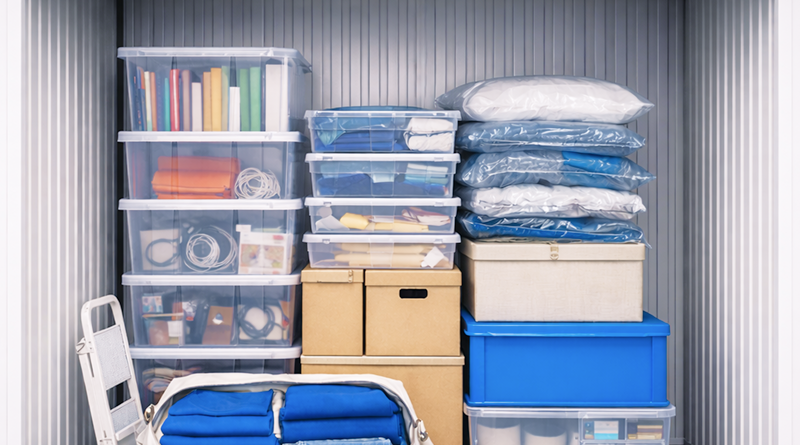
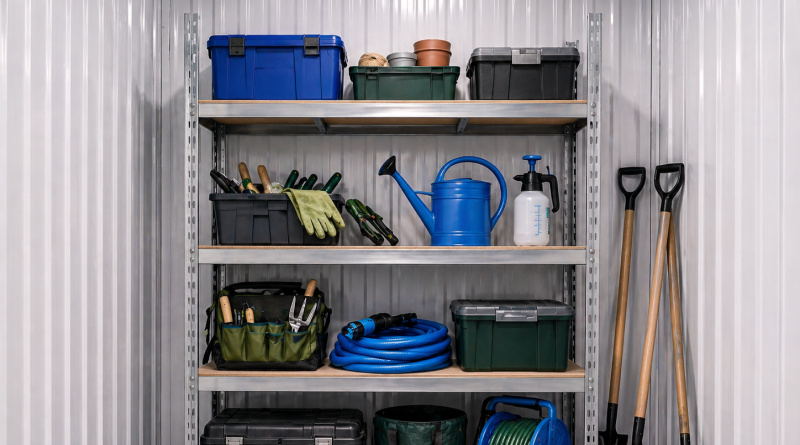
Shelves and bins are your friends. Clear plastic bins, specifically. Not cardboard boxes that get crushed or mysterious black tubs where nothing can be seen. You want to look at a stack of bins and know instantly which one holds the power tools and which one has the plumbing supplies. Label them if you’re fancy. Or just put them where they make sense.
One of the smartest things we’ve seen was a guy who put his most-used tools on a rolling cart. He’d wheel it wherever he was working – the living room, the garden, the driveway. Everything he needed, right there, no hunting around. Simple but brilliant. 💡
For Those in the Equipment or Construction Business 👷♂️
- Workshops need systems. Not just shelves, but actual systems. Heavy fabrication equipment needs to be accessible but secure. Long stock – pipes, angle irons, rebar – needs racking that keeps it organized without becoming a hazard. Electrical panels and test equipment need cabinets with locks. 🔒
- Mobile crews have it harder. Your tools live in vans, not workshops. They bounce around all day, get covered in dust, disappear into the chaos. The ones who have their act together use labeled containers and keep digital lists. They know exactly what’s in which box without having to dump everything out on the job site.
We’ve worked with plenty of tradespeople who thought they were fine until a big project came along. Suddenly their van’s overflowing, they’re borrowing tools from each other, things get lost. That’s when they find us.
A storage unit becomes their overflow pocket. Extra equipment goes there, rotates in and out as needed, and the van stays organized.
Safety When Storing Equipment and Tools
Let’s be real: safety isn’t the most exciting topic, but it’s often what determines how long your tools will last and how safe your home or workspace will be. At Keeper, we’ve seen all kinds of consequences from careless storage over the years.
Basic rules you can’t ignore:
- Sharp objects – only in closed drawers or on special mounts. No «just putting it down for a second.»
- Heavy equipment – never store it on top shelves. A 10-kilo rotary hammer falling can cause serious injury.
- Chemicals and flammable liquids – separately, in special cabinets, away from heat sources and children.
You’d think these are obvious truths. But you’d be surprised how many people store paint thinner next to the water heater or leave a circular saw on the floor where a kid can reach it.
This Is Exactly Why Keeper Was Created
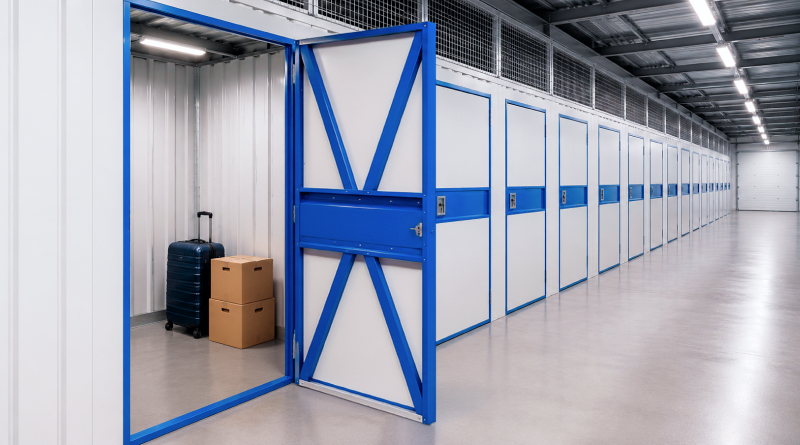
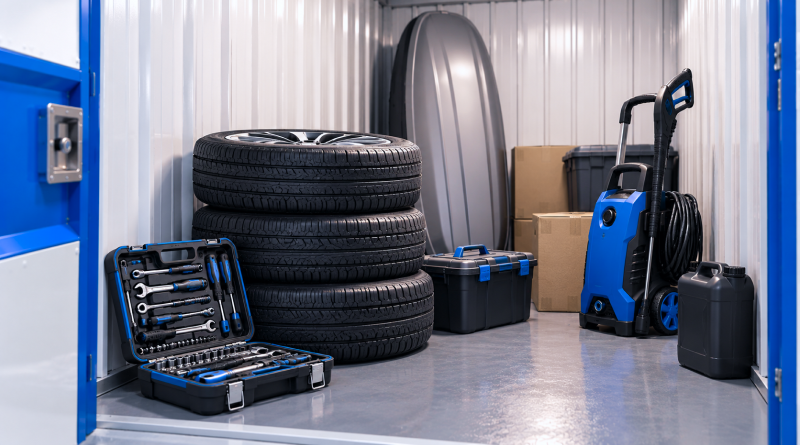
We’ve got storage units from 10 to 50 square feet – small enough for a few boxes, big enough for a small workshop’s worth of gear. 📦📦📦
They feature: ✅
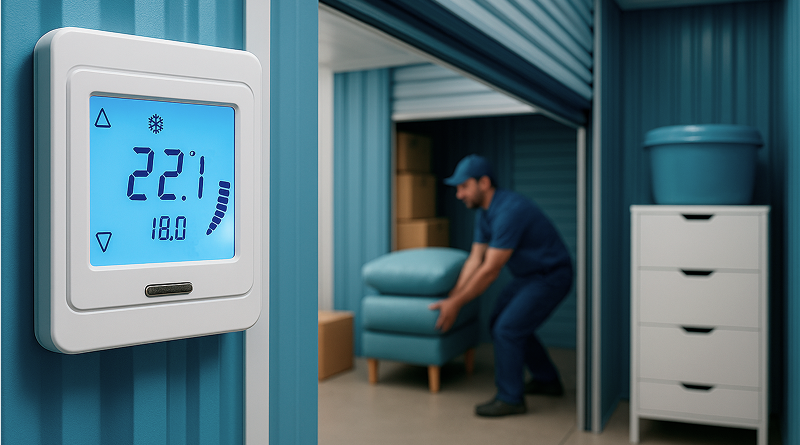
- Climate control – because we know what Dubai’s weather does to tools ❄️☀️
- Security – cameras everywhere, controlled access, the works 🎥🔐
- 24/7 access – because we know contractors don’t work 9 to 5 🕐🌙
People use our units for all kinds of things: 🗂️
- Contractors store extra equipment between jobs. Their vans stay lean, and when a project kicks off, they pull exactly what they need.
- DIY enthusiasts clear out their apartments. That table saw you use twice a year? It doesn’t need to live in your bedroom.
- Small businesses keep spare parts off-site. Extra parts, rarely-used equipment, bulk materials – all accessible, none of it cluttering up the workspace.
The best part? You’re not locked in. Rent month to month, scale up or down as needed. If your business grows, we grow with you. If a project ends, you pack up and move on. It’s flexibility, plain and simple.
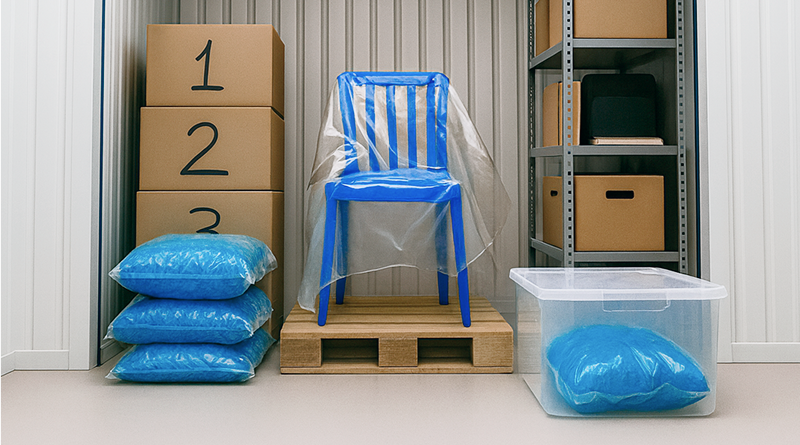
How to Pack Things So They Actually Survive ✅
A few things we’ve learned from watching people load and unload their units:
- Clean everything first. Sounds obvious, but you’d be amazed how many people throw greasy tools into a box and wonder why they’re rusty three months later. Wipe them down. Remove debris. Let things dry.
- Check for rust. If you see a spot, deal with it now. A little wire brushing and some oil now beats a ruined tool later.
- Group the small stuff. All the drill bits in one container, all the masonry anchors in another. Future you will be grateful.
- Heavy stuff on the bottom. Also – and this is important – don’t stack boxes all the way to the ceiling if you actually need to access anything. Leave yourself some room to move.
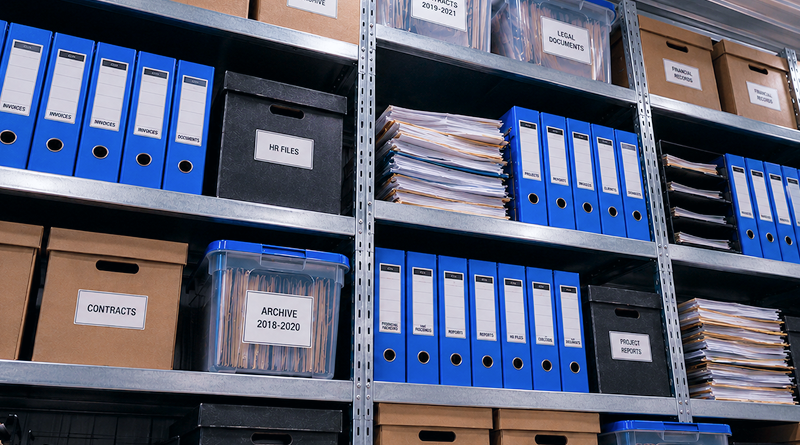
- Label things. You don’t need a fancy system. A Sharpie and some masking tape work fine. Write what’s inside and the date you packed it. When you come back six months later, you’ll thank yourself.
Here’s the main takeaway: good tool storage isn’t just about being neat. It’s about protecting your stuff, keeping your space safe, and making your work easier. Whether you’re hanging a shelf or running a construction crew, having a place for everything and everything in its place saves time, money, and nerves.
And when you run out of space? Keeper has been helping Dubai residents get their tools and equipment under control for years. We’ve seen every storage disaster imaginable, and we’ve helped fix most of them.