

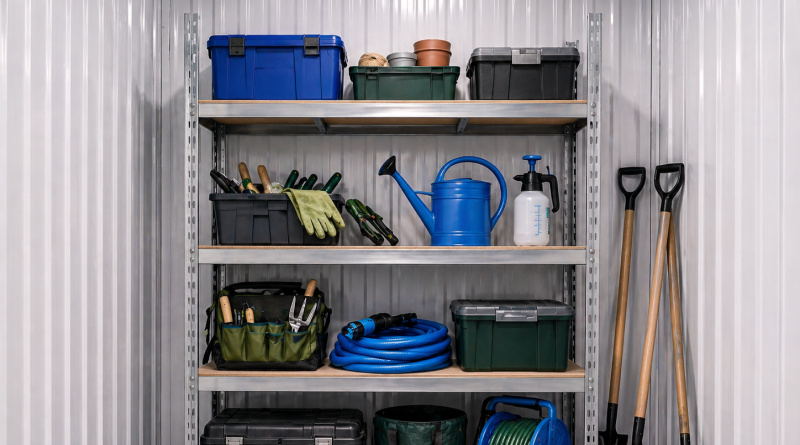
Good storage of cottage and garden tools is much more than just a neat barn. It’s about protecting your tools, saving time during a busy season, and making the most of the space you already have. When the storage system is working, you know exactly where your gardening tools are, what condition they are in, and how quickly you can get back to the most interesting things: working in your garden and enjoying the results.
In this article, you will learn how not to put tools on the ground, how to use every corner of your shed or garage, and how to decide when it is best to move some of your inventory to external storage unit.
Why is it important to keep gardening tools?
Garden tools, lawn mowers, hoses and other equipment will serve you all year round. If you leave them in the rain, on the ground, or in a damp shed, they will rust, bend, or break much faster. Proper storage is a small habit that pays off in the long run:
- The tools remain sharp and safe to use.;
- The equipment lasts longer and requires fewer repairs.;
- You spend less time searching for the right things.;
- The garden looks clean and ready for the next project.
Plan a storage space in your home and garden
Before you buy new shelves or drawers, stop for a minute and look at all the places you can use. For most people, the storage of cottage and garden equipment is distributed over several rooms: a garden shed, a garage, a small room in the house, and sometimes a rented storage unit.
Ask yourself a few simple questions:
- Where do you have the most free space right now: in the barn, garage or in the house?
- Which tools do you use every week, and which ones do you purchase only once or twice a year?
- Is the main storage room dry, or does it get damp in winter?
- Do you need to store heavy equipment near the garden or can you place it further away?
After answering your questions, you will be able to plan which equipment will stay at home and which can be moved to another storage location if you need more space.
How to store garden tools indoors and outdoors
Indoor spaces such as a garage or utility room are ideal for power tools and anything that needs to stay completely dry.
In outdoor spaces such as a garden shed or a storage box on a patio, it is best to use sturdy hand tools, pots, and objects that can withstand temperature changes.
There is a simple rule:
- It is safer to store equipment with motors, batteries or cables in a dry place;
- Basic gardening tools such as rakes and shovels can be stored in a well-ventilated garden shed;
- Small, frequently used tools should be kept close to where you use them, so as not to waste time walking back and forth.
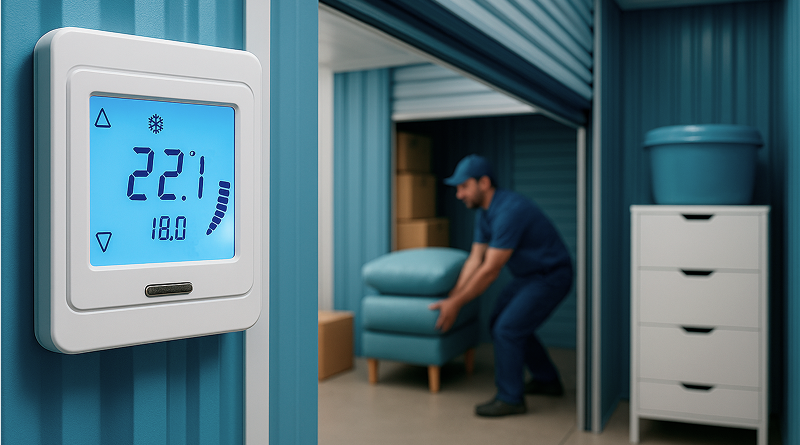
If you live in a hot climate and it gets very warm in your garage, it might even be better to move some of the equipment to a professional climate-controlled storage facility.
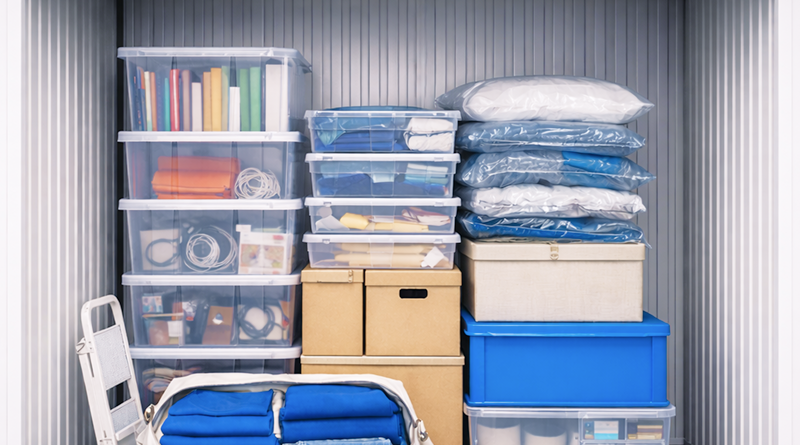
For example, if you divide your time between a country house and an apartment in Dubai, you may not want to leave all your gardening equipment on site all year round. In this case, long-term storage with a supplier such as Keeper in Dubai will help you free up space at home and keep your tools safe and ready for the next season.
Efficient storage of hand tools
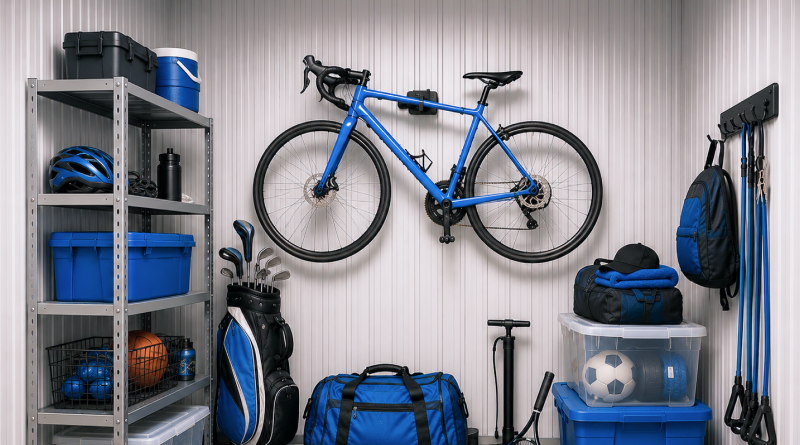
Shovels, pruning shears, small rakes, and gloves tend to disappear under larger objects if you just drop them on the barn floor. A good storage system ensures that each tool has its own place, and you can see it at a glance.
Ideas that you can use right away:
- Attach a simple board with hooks to the wall and hang the most commonly used hand tools.;
- Add a narrow shelf for seed boxes, labels, and plant ties.;
- Keep one small open box just for gloves and goggles to take them first.;
- Use a stand for light tools so that you can move the hooks and change the location as needed.
If your hand tools are stored at eye level and not on the floor, you protect them from moisture and make it easier to keep the shed clean.
Maintenance of lawn mowers, trimmers and electrical equipment
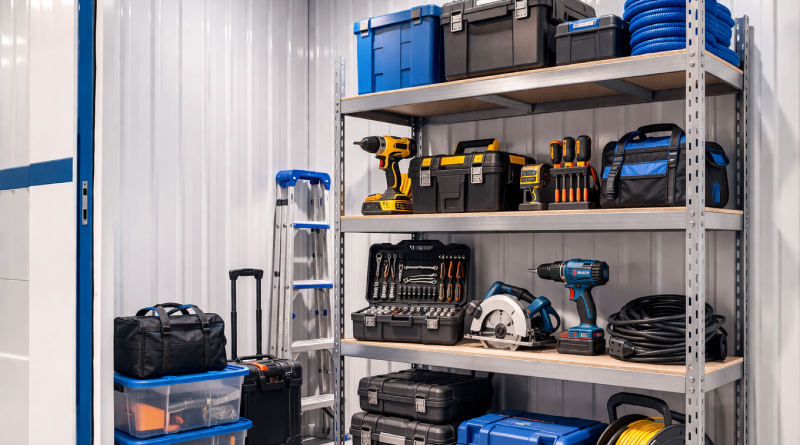
Electrical equipment is usually the most expensive part of your gardening equipment. Lawn mowers, thread trimmers, hedge cutters, and chainsaws need proper storage to remain safe and effective. When planning the storage of summer cottage and garden equipment, pay special attention to these items.
A few simple rules:
- After each use, clean the machine of grass and dirt and let it dry;
- Before taking a long break from work, follow the instructions for using fuel and oil;
- Carefully wind up the cables and hang them so that they do not twist;
- Store batteries and chargers on a shelf, not on a cold floor;
- Keep sharp blades so that no one can accidentally touch them.
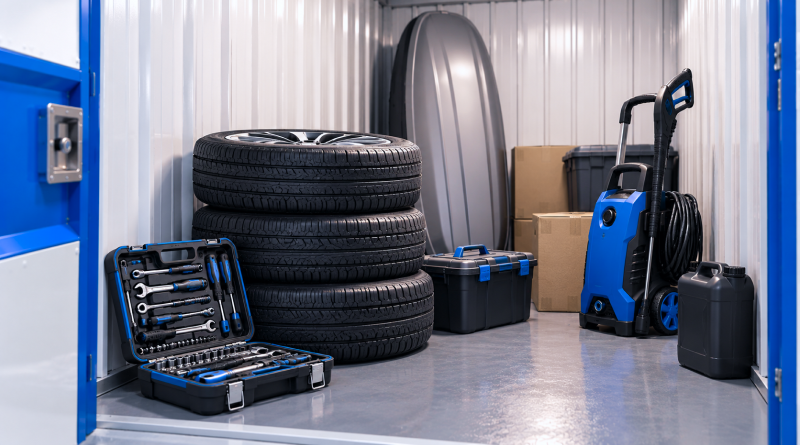
If you have more equipment than can fit in your garage, you can move some of them to a safe place for storage and return them only when you need them.
How to avoid rust and other damage
Rust is an implacable enemy of garden tools. It starts small, but over time it can damage the blades and make the tools unsafe. The good news is that a few simple rules will help you avoid this problem:
- Remove dirt and water from the tools before storing them;
- Use a cloth to apply a thin layer of oil to the metal parts;
- Keep tools away from the floor so that they are not exposed to humid air;
- Keep metal blades in a bucket to store sand and oil between uses;
- Check the storage unit from time to time for leaks or wet corners.
By taking care of the rust now, you will avoid buying the same tools again in the future.
Garden owners store bulky or rarely used equipment in modern storage facilities such as Keeper. We offer clean and safe spaces where you can store lawn mowers, tools, and garden furniture between trips to your vacation home, and still have easy access to them when you need them again.