

Valuables storage is not the same as ordinary storage unit. When people rent a regular warehouse, they usually keep furniture, boxes of clothes, or office supplies there. Valuables require a different approach.
Valuables are items that are difficult or impossible to replace. They may have high financial value or strong emotional significance. Losing them means not only spending money again, but also dealing with stress and wasted time.
In our experience, many people store documents and jewelry at home. Then they lose them during a move, renovations, or due to humidity.
Why regular storage is not enough for valuables
A regular warehouse solves different problems. Low cost and large capacity are important there. Humidity, temperature fluctuations, and shared access for many tenants are the norm.
This environment is unsuitable for valuables. They require a stable temperature, low humidity, and isolation from strangers. They also require insurance. Therefore, when it comes to storing valuables, a regular garage or a cheap storage unit is not suitable.
What items are considered valuables?
The list of valuables is broader than it seems at first glance.
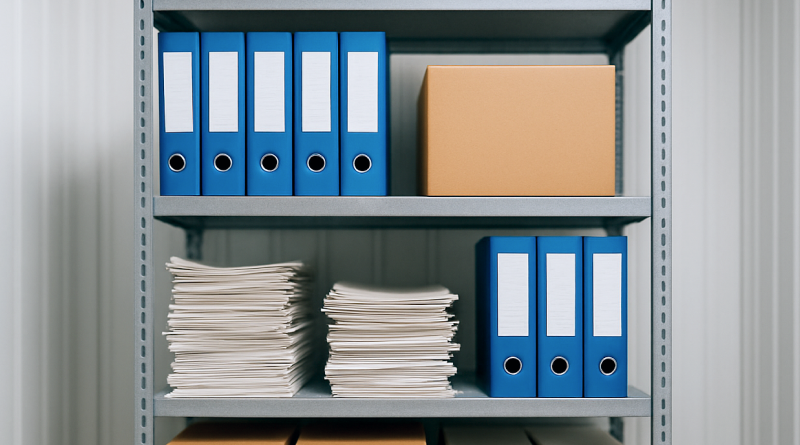
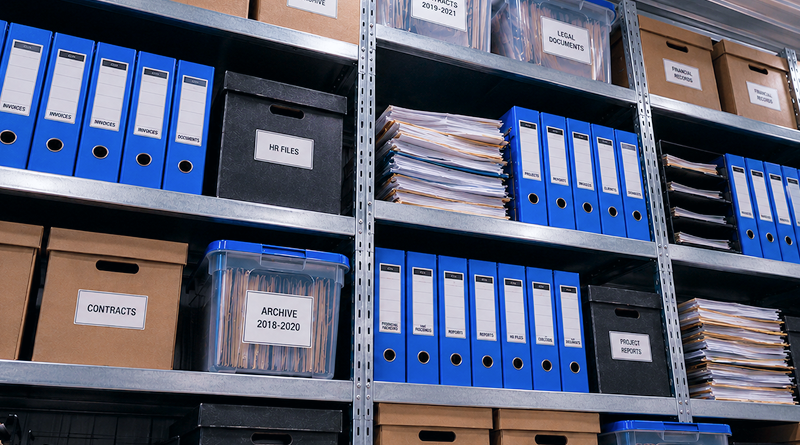
First and foremost, these include financial and legal documents. These include passports, contracts, birth certificates, diplomas, powers of attorney, and real estate deeds. These can be restored, but it takes weeks or months.
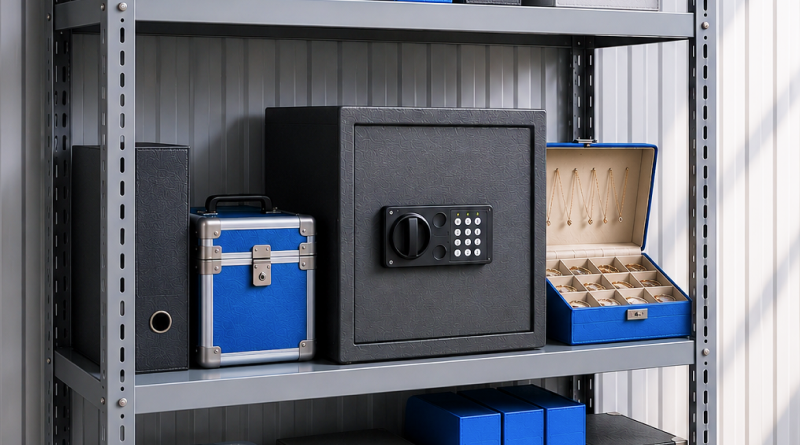
The second category is jewelry, watches, and precious metals. Gold, silver, platinum, watches over $500, and family jewelry with a history are the main target for thieves.
The third category is electronics and storage media. External hard drives with photo archives, laptops with work data, rare audio equipment. Here, the value is often not in the price of the device, but in the information on it.
Items with sentimental value stand apart. Children’s drawings, old letters, wedding albums, and items from grandparents are items that cannot be purchased with money.
And finally, art, antiques, and collectibles. Paintings, sculptures, antique coins, collectible wine, or model cars. These items require special storage conditions.
Where can you store valuables? Main options compared
Dubai residents have three main options.
The first is home storage. This seems convenient and free. However, the risks are very high: theft, fire, flooding, and high humidity. Furthermore, most home insurance policies don’t fully cover valuables.
The second option is a bank safe deposit box. This is very reliable in terms of security. However, there are significant limitations: strict access hours, small safe deposit boxes, and the lack of climate control at many banks. You won’t be able to retrieve your items at night or on weekends.
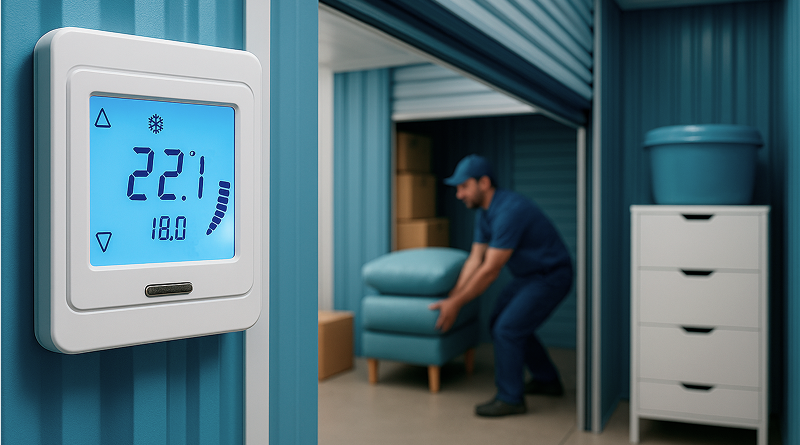
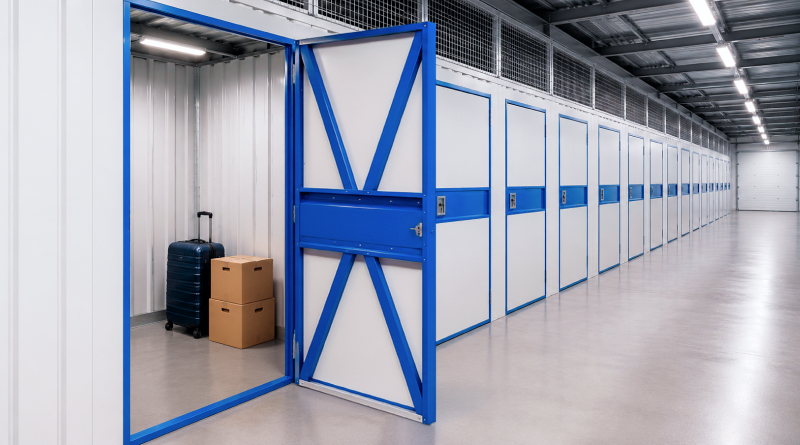
The third option is a professional climate-controlled warehouse. These offer 24/7 access, various room sizes, video surveillance, and individual locks. Climate control is especially important for valuables because it protects them from humidity and temperature fluctuations.
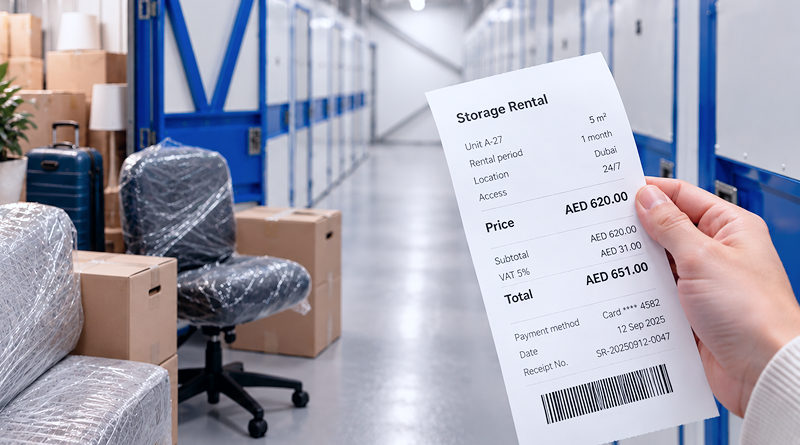
Keeper offer these solutions for Dubai residents. You rent a storage unit, manage it via an app, and have access to it at any time.
What are the risks of storing valuables at home?
Many people underestimate the risks of storing valuables at home. Theft is an obvious threat, but it’s not the only one. Even if you have a home safe, professional thieves can steal it entirely.
Fire and water are another serious problem. Paper documents burn in minutes. Water from firefighters or burst pipes destroys electronics and photographs.
In Dubai, high humidity and temperature fluctuations are especially dangerous. Jewelry fades. Photos and documents become moldy. Even one season can ruin what’s been accumulating for years.
Furthermore, insurance usually only covers a small amount for valuables. Read your policy carefully.
7 practical tips for storing valuables safely
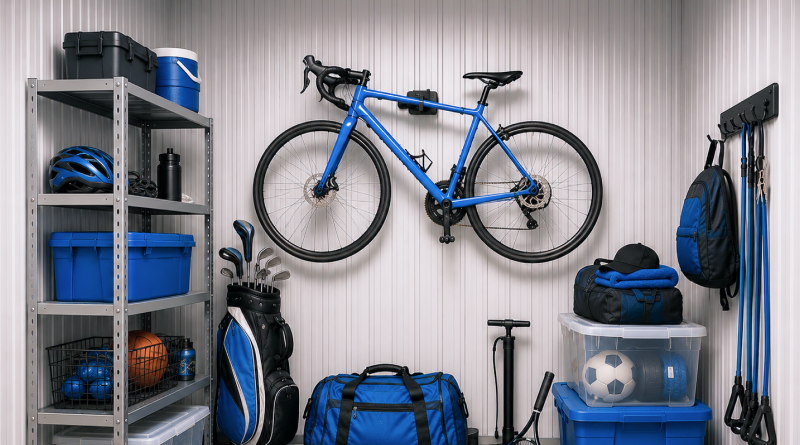
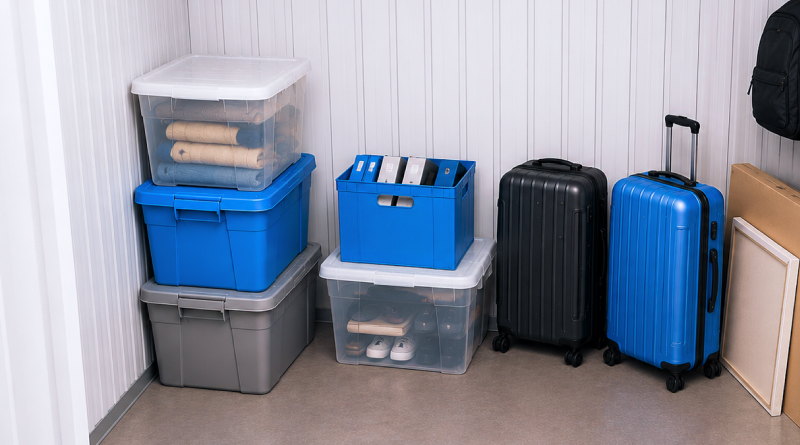
- First of all, choose the right size of the space. Don’t choose a storage unit that’s too big or too small. Measure all your belongings first.
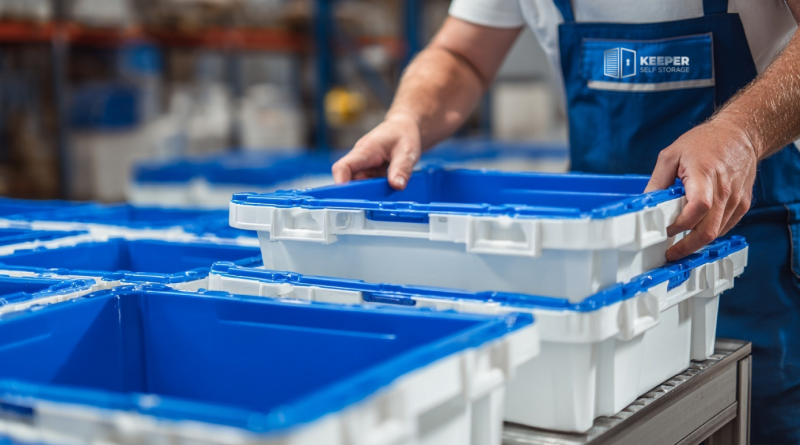
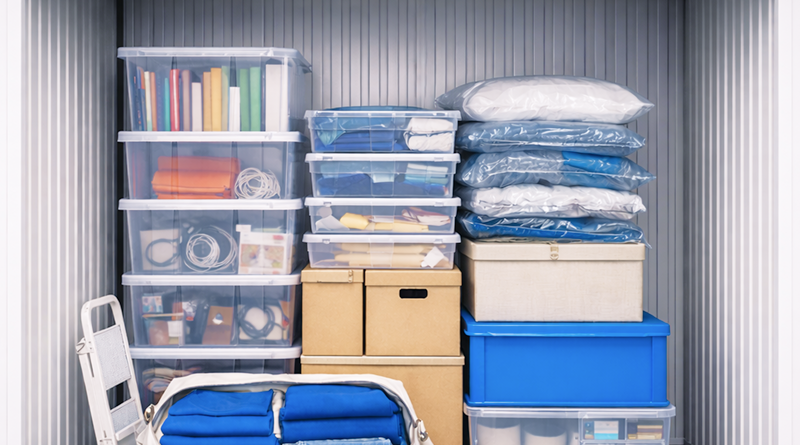
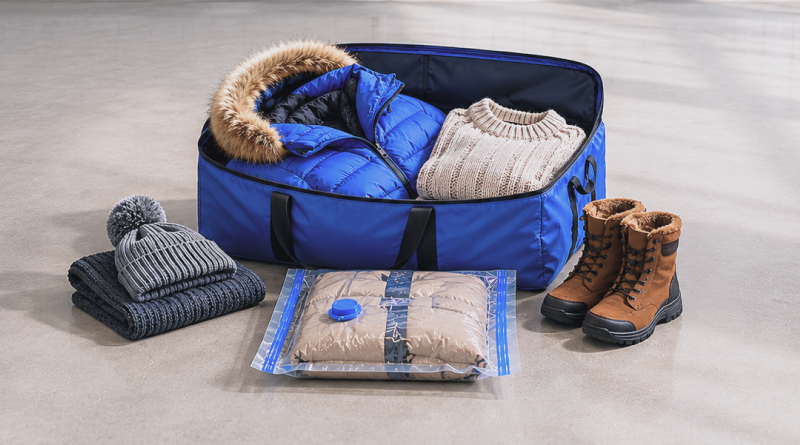
- Use high-quality packaging. Plastic containers are better than cardboard boxes. Waterproof boxes are suitable for documents. There are special anti-corrosion bags for jewelry.
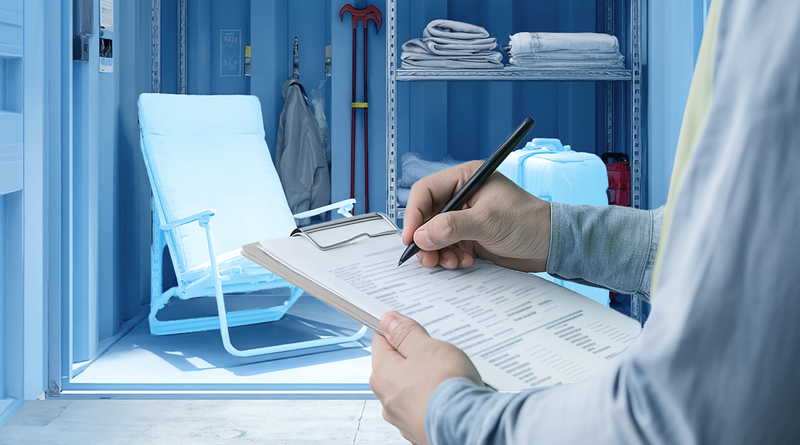
- Make a detailed inventory of all your belongings. Write down each item, photograph it, or film it. Keep one copy at home and another in a safe place.
- Label the boxes clearly, but avoid unnecessary details. Don’t write «gold» or «Rolex watches» prominently. Instead, use codes or numbers.
- Invest in a good lock. A disc lock is more secure than a standard padlock. Some storage facilities provide locks free of charge.
- Climate control isn’t an option, but a necessity for electronics, documents, and art. It’s more expensive, but it will protect your belongings for years.
- And be sure to check the insurance. Find out if the storage facility offers insurance and compare it to your home insurance. Don’t skip this step.
Frequently asked questions about storing valuables
Is it possible to store cash in a storage unit?
Most storage facilities prohibit cash. It’s better to use a bank for cash.
How secure are the storage facilities from a theft standpoint?
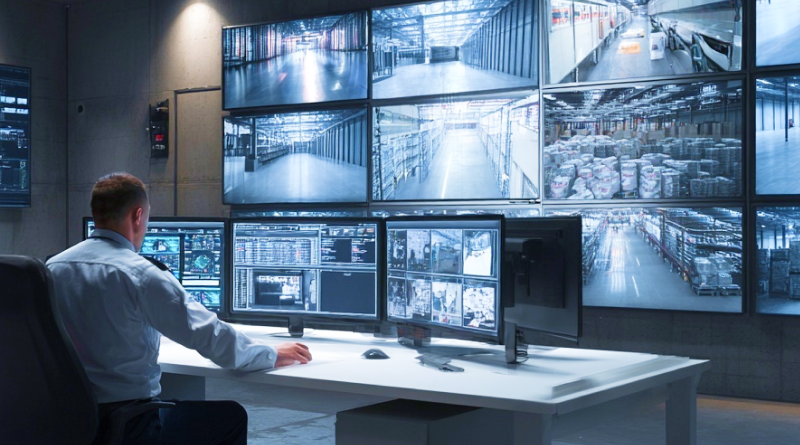
Good storage facilities have 24/7 cameras, individual alarms, and access logs. Choose these.
How can you quickly access your valuables if you urgently need them?
With professional storage unit, you have 24/7 access. No need to wait for bank business hours.
What is strictly prohibited?
Perishable goods, flammable liquids, live animals, and illegal items. Always check your storage facility’s prohibited list.
Conclusion
Storing valuables isn’t about finding the cheapest option. It’s about protection, accessibility, and stable conditions. Home storage is risky. Bank safe deposit boxes are secure, but too confining. A professional, climate-controlled storage facility strikes a balance between security and convenience.