

Office furniture storage is not just about squeezing one more cabinet into a crowded room. It is about building a simple system that fits your office, your team, and your budget. When storage unit works, desks stay clear, staff know where every chair, cabinet and box of files lives, and the whole office looks calm and professional.
We’ve seen many times how companies start with a couple of random cabinets and desks and end up with chaos a year later. Below is a practical overview of office furniture storage solutions, which helps you think in advance where to store furniture, documents and everything else so that the office does not turn into a warehouse.
Why smart storage unit for office furniture and documents pays off
In any office, even a small home office, things accumulate faster than they seem. There are additional chairs, old desks after renovation, spare cabinets, boxes with documentation and archives. If the issue of storing office furniture and paper files is not resolved, all this begins to «spread» to workplaces.
A good office storage system helps:
- free up work desks from unnecessary folders, boxes, and accessories;
- keep documents and file folders in clear filing cabinets, not in stacks «under the table»;
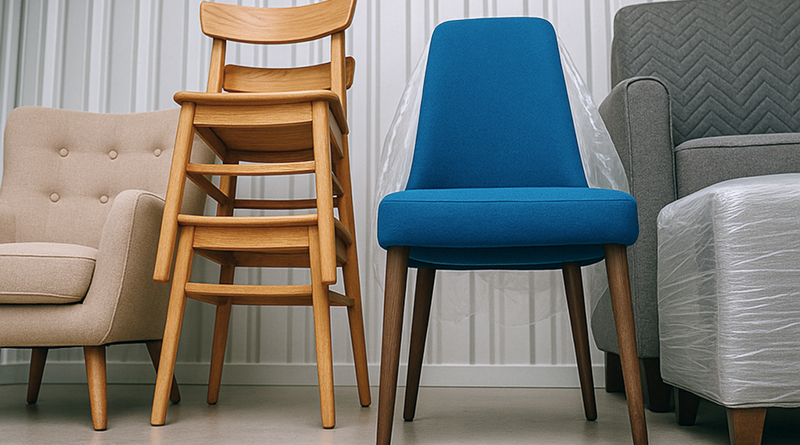
- store excess office furniture (extra chairs, old desks, white and black cabinets) so that it does not interfere with current work;
- save the team time — less searching, more work, and less distracting visual noise.
One of our clients honestly admitted that after they removed some of the furniture and archive from the open‑space, employees began to complain less about fatigue — simply because the room no longer looked like an overloaded warehouse.
Main types of office storage furniture
There is no one universal office cabinet that will solve all the tasks of storing furniture and documents. A combination of different storage products always works in a real office:
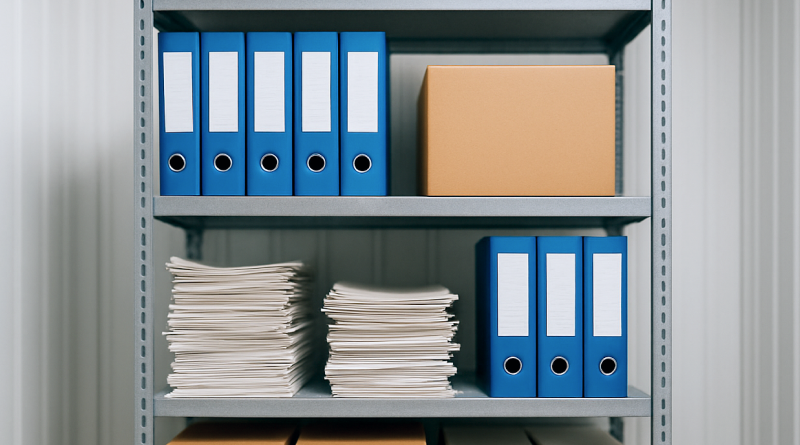
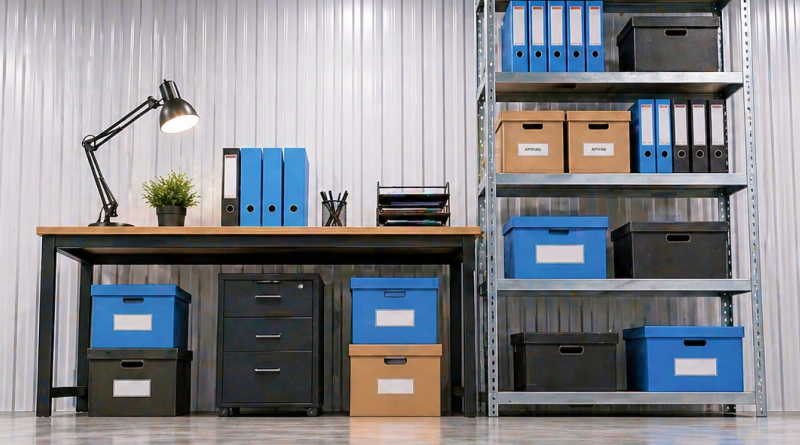
- Filing cabinets. Vertical and horizontal cabinets for papers, folders, and archive box files. Lockable filing drawers provide a basic level of privacy and security for documents.
- Tall storage cabinets. Tall white or black cupboards with doors, where you can store folders, equipment boxes, and even pieces of collapsible furniture.
- Shelving and bookcases. Open shelves for books, catalogs, and boxes — convenient for shared zones and document archives.
- Mobile pedestals. Small mobile drawer units that live under the desk and move in with an employee.
- Lockers. Individual lockers for bags, laptops, and personal items to avoid taking up work desks.
If the office is actively growing, it is better to agree from the very beginning on which types of furniture you use: this helps to avoid the zoo of random cabinets and drawers, which are difficult to combine with each other.
Storing office furniture between moves and refits
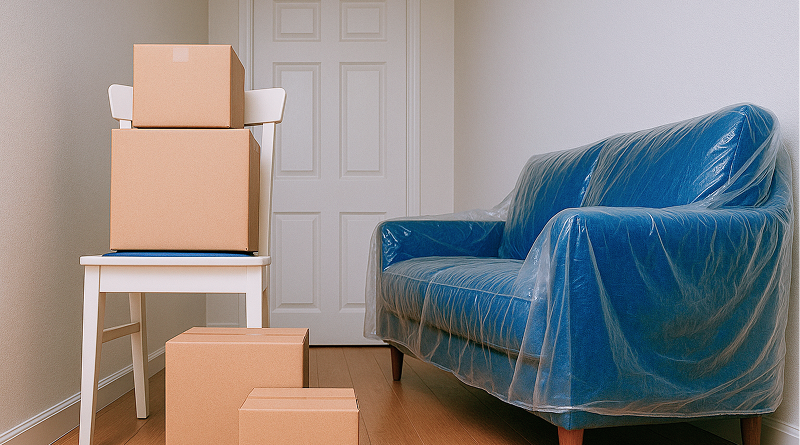
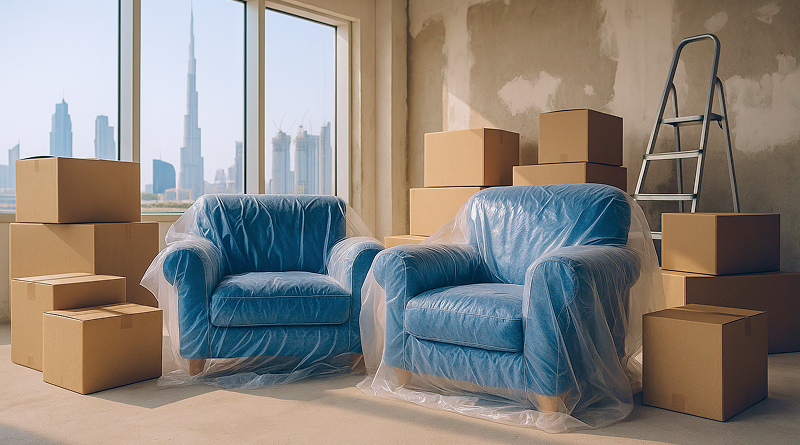
A separate topic is where to put office furniture when you change the layout, make repairs or move. Almost everyone is faced with a stock of chairs, old desks, extra cabinets and meeting tables.
Typical scenarios:
- You’ve updated your work desks, but the old ones are still in good condition and it’s a pity to throw them away;
- The design has been changed and now black cabinets do not fit into the office, although they are practical inside;
- Some of the projects were closed and there were extra meeting chairs and small tables.
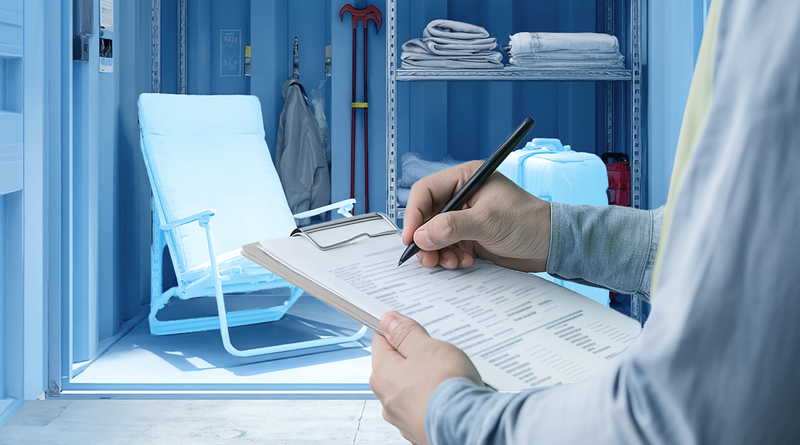
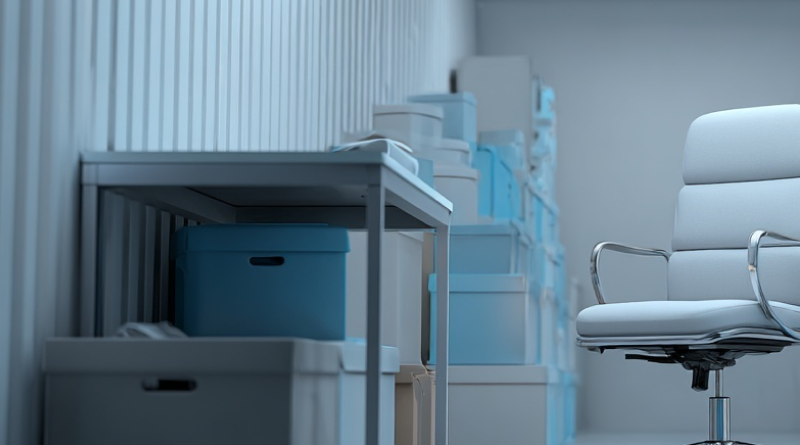
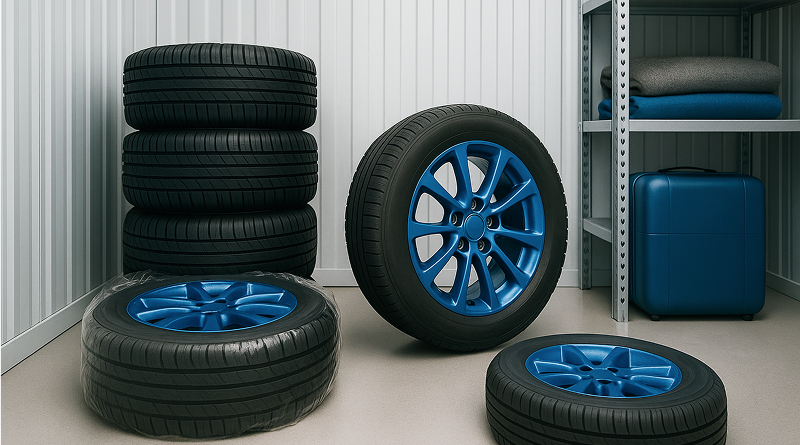
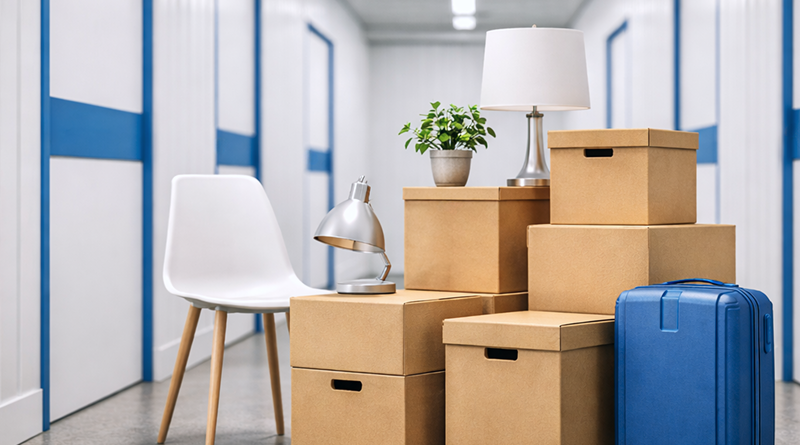
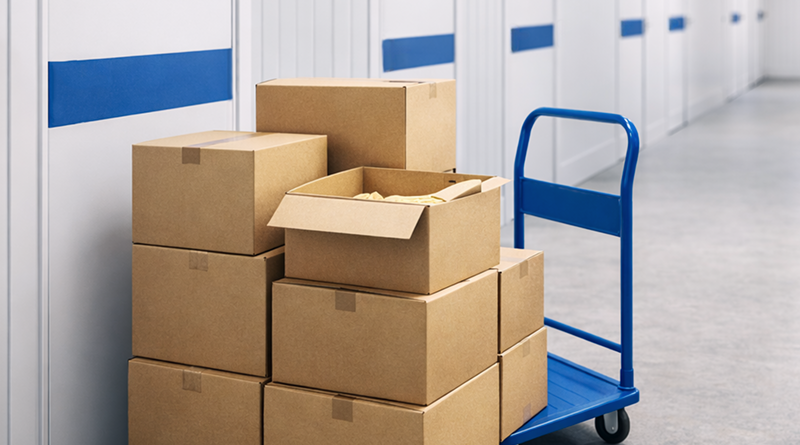
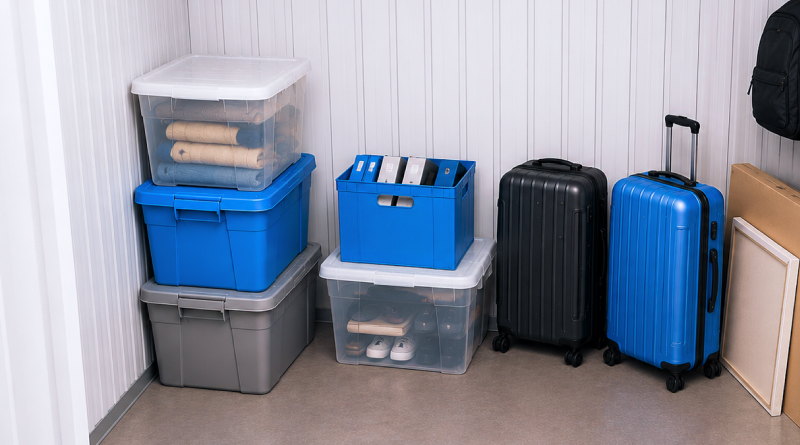
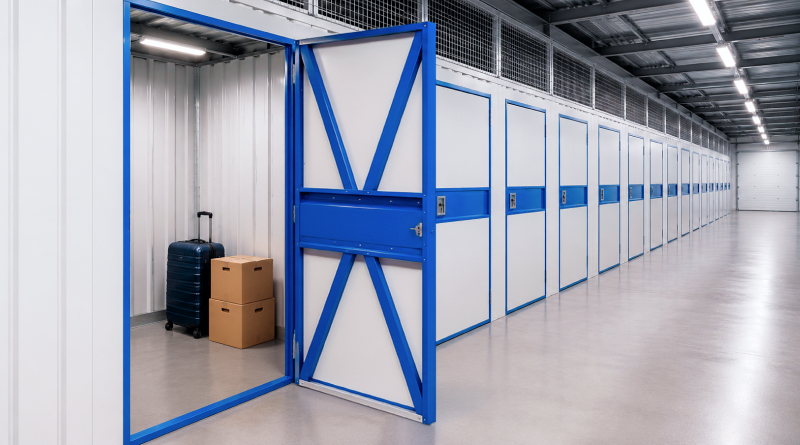
If you try to keep all this in the same office room, you will quickly lose useful space. It is more logical to leave only what is actually used every day, and send the rest of the office furniture to a separate storage unit or to an external warehouse.
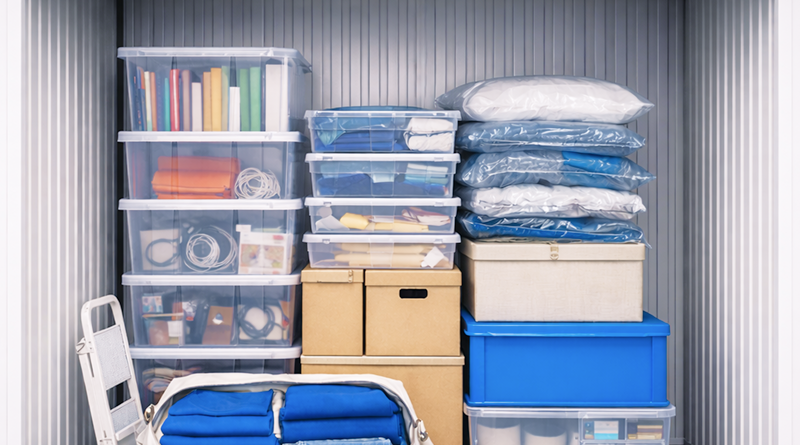
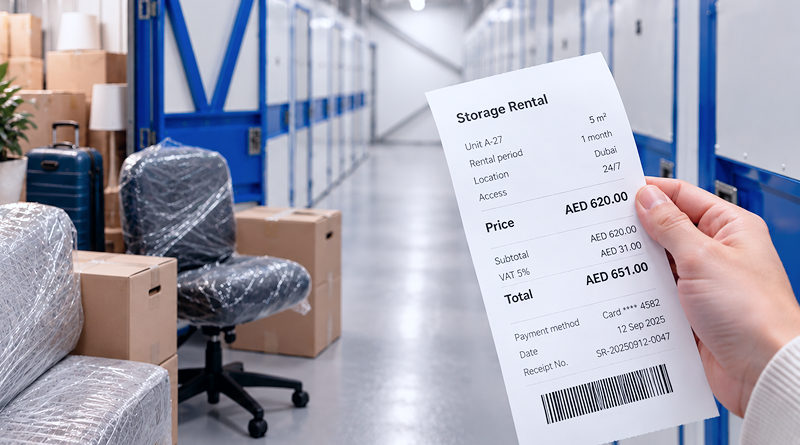
In Dubai, this is especially noticeable: the price of each meter of office is high, and it is unprofitable to keep a whole line of desks and cabinets in a working room. Some clients arrange a separate box in Keeper and use it as a neat warehouse for office furniture: today they take out extra chairs and filing cabinets there, tomorrow they get what they need for a new project.
This way, the office remains light and functional, and the furniture lives in normal conditions, not in a random utility corner.
Storing documents: file cabinets, drawers and privacy
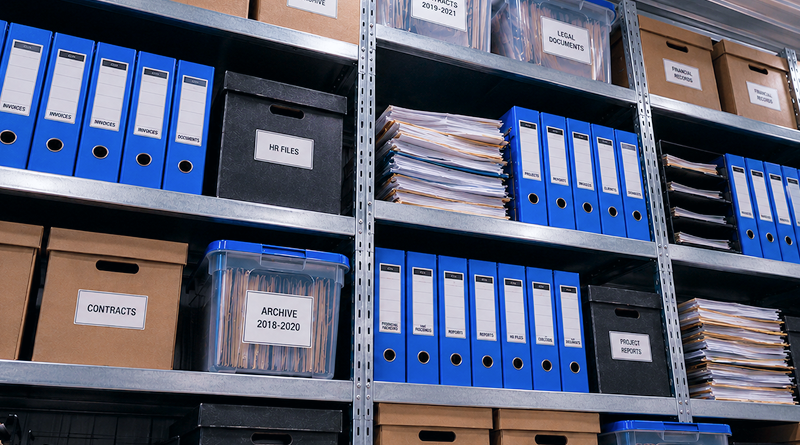
The paper flow has not disappeared either. Contracts, invoices, personnel files, acts — all this needs to be stored for years and at the same time kept in order and under the control of privacy.
What should be considered:
- which file folders are needed every day, and which can be stored in a deep archive;
- where should lockable filing cabinets stand for documents with personal data;
- how to conveniently distribute drawers by topic: finance, HR, legal, projects;
- which documents can be scanned and converted to digital, freeing up space in cabinets.
A good rule of thumb is that active documents live in convenient filing cabinets next to the work area, while archives and closed cases move to a separate storage unit or an external warehouse.
Storing equipment, supplies and “small stuff”
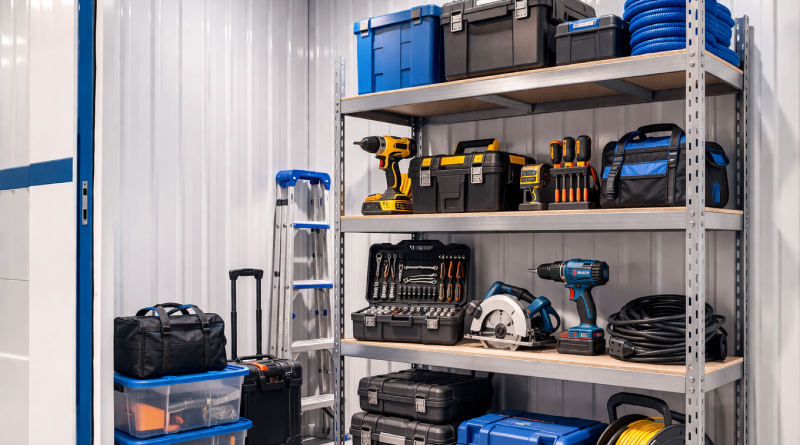
In addition to furniture and files, there is always a third category in the office — supplies and small appliances: printers, cables, boxes with paper cups, promotional materials. All of this should also get into the office storage system, otherwise it will gradually take up shelves, floors, and free countertops.
Practical solutions:
- Printer cabinet with closed doors. There are appliances on top, paper, cartridges and service items inside.
- Combined cupboards. At the top are open shelves for daily folders, at the bottom are doors for less beautiful boxes and stocks.
- Drawer organisers. A separate drawer for «small stuff»: cables, adapters, flash drives.
- Under‑desk storage. Small mobile units or boxes under the desks for personal items and supplies so that they are not in plain sight.
A simple rule: everything that is used every day should be at arm’s length; everything that is less than once a month should be in cabinets or on external storage.
Office storage for different types of spaces
Open‑plan office
In an open‑space office, furniture storage often solves two tasks at once: order and zoning. Tall cabinets can separate teams from each other, helping to reduce visual noise. White shelves along the walls add space for boxes and files without overloading the room.
Private offices and meeting rooms
In executive offices, storage is usually integrated into the overall image of the room: a neat wood‑ finished desk, a low cabinet with doors, and a pair of white or black cupboards for documents. Balance is important here: there is enough storage, and the furniture does not visually «crush».
Home office
In the home office, you need to remember that it is still a home. Closed white cabinets, a neat desk with a pair of drawers and one compact filing unit allow you to close the furniture doors in the evening and return the feeling of a living room.
When your office runs out of space
At some point, even the most thoughtful storage scheme in the office hits the ceiling. The archive is growing, there is more old furniture, and it is expensive or impossible to expand the room.
This is where external solutions come in:
- transfer some of the paper and documentation boxes to an archive in an external warehouse;
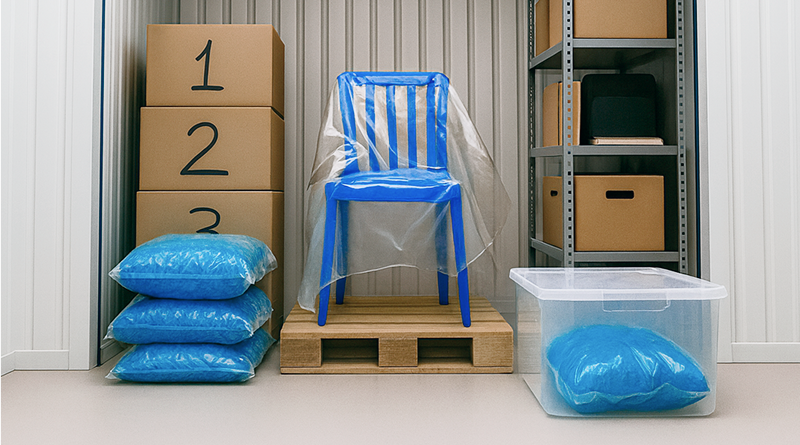
- move outdated but still alive office furniture — chairs, desks, cabinets — to a separate storage unit;
- use the external warehouse as a buffer during relocation and repairs.
So, in order to properly organize the space in the office, we recommend leaving only the important ones: a set of tables, white/black lockers and mobile pedals, and sending everything superfluous to Keeper. The furniture there is in good condition, does not wear out, and it can be taken away piece by piece as new premises and branches open.
This is how you pay for your first office as a workspace, not as a gigantesque closet.